Coworking Didn’t Replace Chennai’s IT Parks. It Rebuilt Them.
The flexible-space boom was supposed to be the end of the campus lease. What it actually did was reset what tenants expect from a campus — and the parks that listened are the ones filling up.
Around 2017, the prediction was clean: flexible space would take the market, long leases would look like a relic, and the IT park would become a car park with a lobby.
It did not happen. Campus leasing in Chennai is larger now than it was then, and the biggest occupiers on OMR are still taking floors by the hundred thousand square feet.
But the prediction was not entirely wrong either. Something did get replaced. Not the IT park — the version of it that existed in 2015.
What coworking actually taught tenants
Flexible operators competed on the things campus landlords had treated as fixed. In doing so they taught a generation of occupiers to ask for them.
That space could be ready
Before, a lease began with a shell and a six-month build. Coworking offered Monday. Once tenants saw that, “warm shell, build it yourself” stopped reading as standard and started reading as a delay the landlord was passing on.
That the term could match the plan
Nine-year leases with a lock-in were written for a market where a business could forecast nine years out. Flexible operators proved a two-year commitment was commercially viable. Tenants stopped treating long lock-ins as the price of entry.
That amenities are used, not listed
A gym in a brochure and a gym with members are different assets. Flexible operators ran their common spaces as a product with usage data behind it. Campuses had been building the same facilities and then not programming them.
That the building should be easy
Access that works on the first badge. Guests who do not queue. Wi-Fi that reaches the stairwell. Trivial things individually, and together the entire difference between a floor people like and one they tolerate.
That the lease should read in an afternoon
A standard flexible agreement runs to a few pages. After reading one, a two-hundred-page lease schedule looks less like diligence and more like friction.
What the parks did about it
The campuses that have held occupancy through the last cycle did not fight any of that. They absorbed it.
Fitted floors became normal
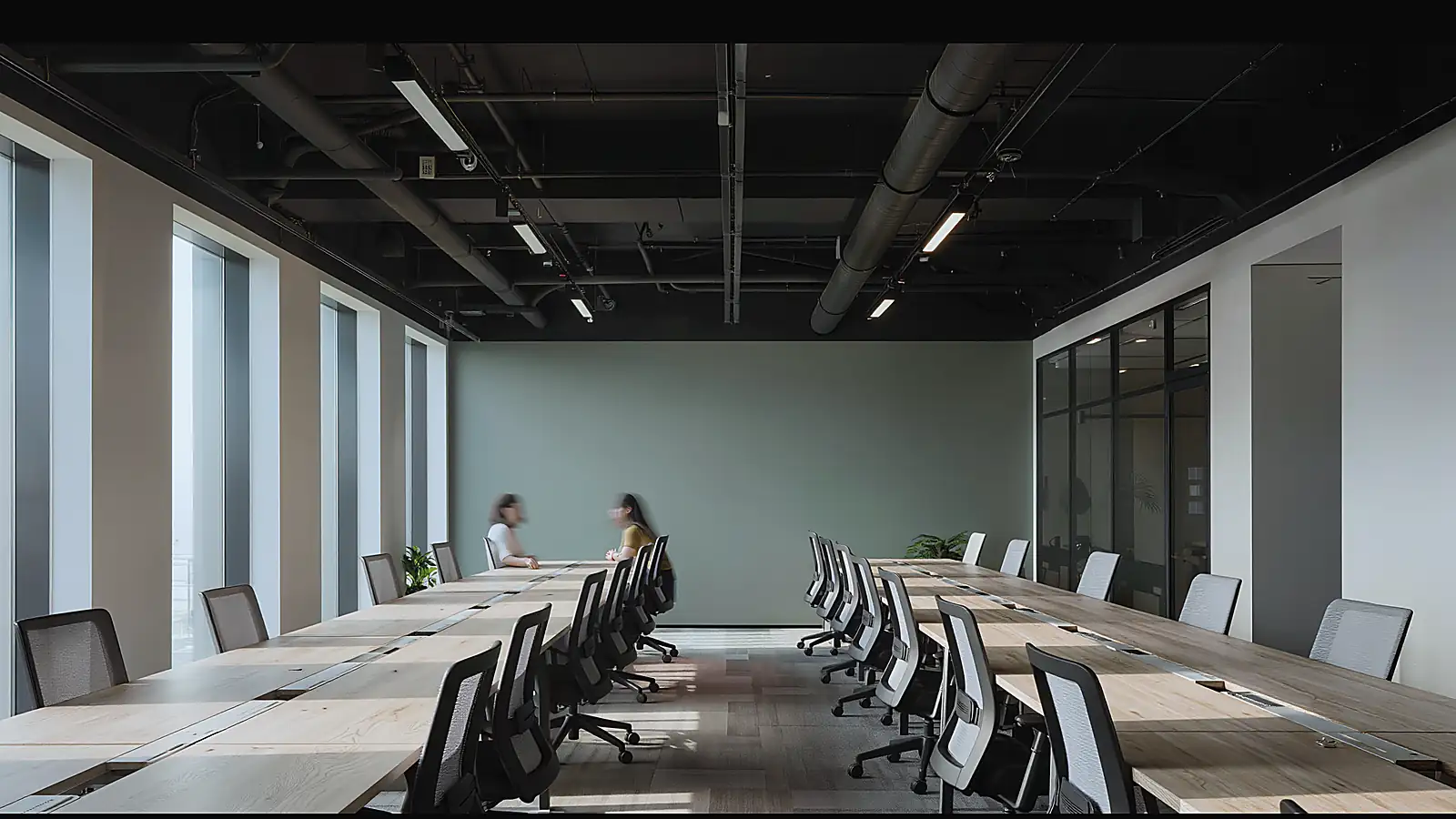
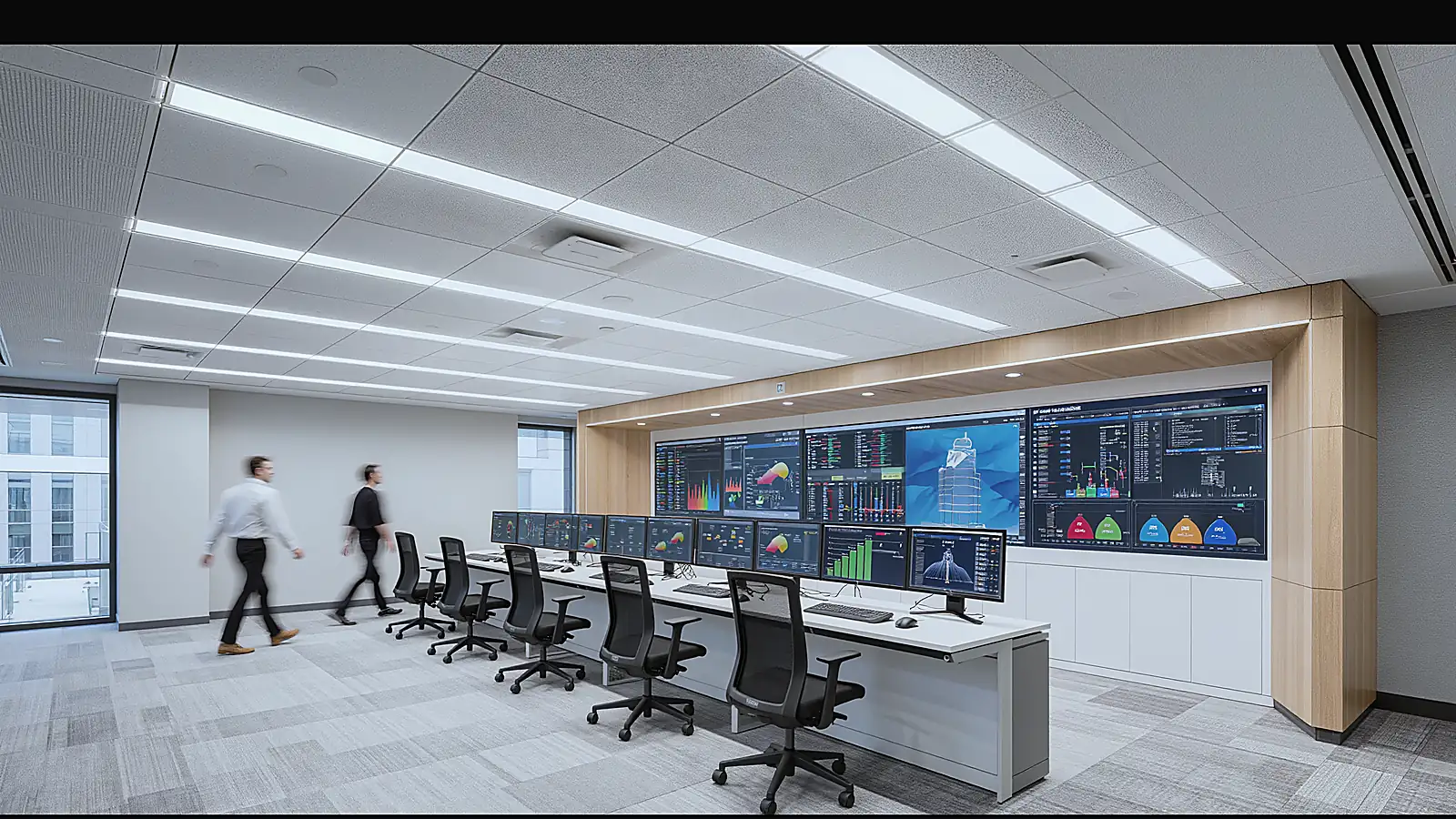
A finished floor with workstations, meeting rooms, a pantry and cabling is now a standard offer rather than a concession. The tenant walks into furniture. The commercial logic also improved for landlords: a fitted floor commands a premium, lets occupancy begin sooner, and holds its tenant longer.
Terms got shorter and more structured
Three-year terms with defined exits. Expansion options written in at agreed rates. Phased handovers so a tenant can take half a floor now and the rest in nine months. The lease started behaving like a plan rather than a bet.
Amenities got programmed
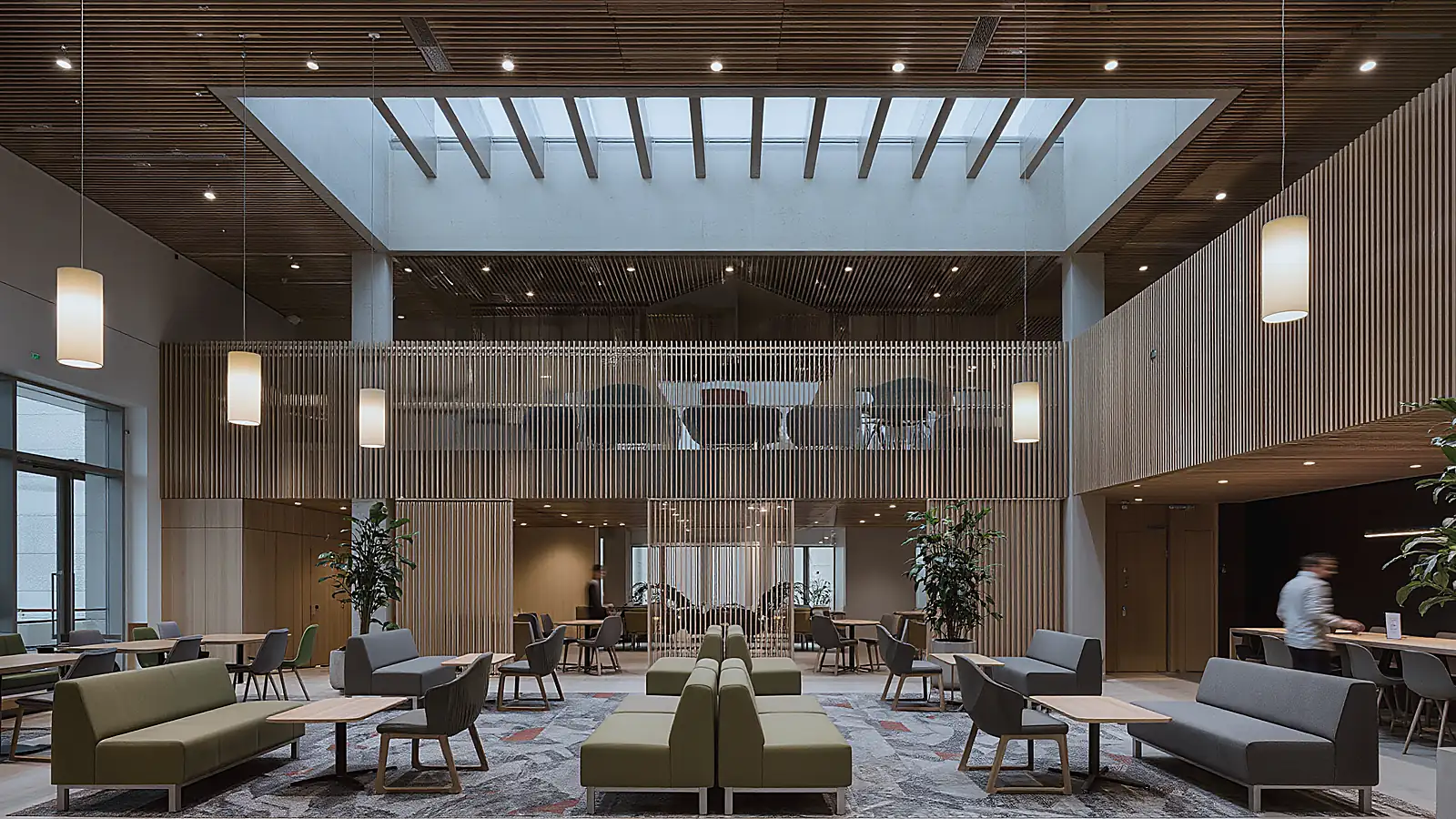
The shift was from building facilities to running them — food courts with genuine variety, fitness that is staffed, courts that are bookable, landscaped space people actually walk through at lunch. A campus has one structural advantage here that no flexible operator can match, and it is scale: twenty-one acres can hold things a floor in a tower cannot.
The operating layer got taken seriously
Power that does not blink, cooling that holds through a Chennai April, security that is visible without being obstructive, a help desk that answers. None of this photographs well. All of it is why tenants renew.
Where the two actually met
The clearest signal is that the formats have converged rather than one defeating the other.
Flexible operators now take whole floors inside IT parks and run them as managed space. Campus landlords offer their own managed and fitted options alongside conventional leases. A tenant on a large campus can now hold a core floor on a three-year term and a flexible allocation next door for the team they are not sure about.
The question stopped being lease or coworking. It became: how much of this do I want to commit to, and how much do I want to keep loose?
That is a better question, and it is the one the market now organises itself around.
What to ask for
If you are taking campus space in Chennai now, the things worth negotiating have changed. These five are reasonable asks in the current market, and a landlord who will not discuss any of them is telling you something.
- A fitted option, priced separately. Ask for the floor finished and ask what that adds per square foot. Compare it against your own build cost and your own six months. Often the landlord’s number wins on both.
- Expansion written in. A right of first refusal on adjacent space, at a defined rate, with a defined window. This is the single most valuable clause for a growing team and the one most often left out.
- A phased handover. Take what you need now, with the rest at an agreed date and rate. You stop paying for empty desks without giving up the space.
- Power on paper. Not “100% backup” — the actual architecture. How many independent feeds, what the redundancy configuration is, how fast the transfer runs, and what was logged last year.
- Amenity access in the agreement. If the food court, gym, courts and parking matter to your retention, get the access terms written rather than assumed.
The part that did not change
For all the format shift, the reasons large occupiers take campus space are the same as they were a decade ago, and flexible space never addressed any of them.
- Cost at scale. Past a few hundred seats, the per-seat economics of a leased floor are not close.
- Control. Your access system, your security posture, your server room, your client floor, your audit answer.
- SEZ status. For export units, a notified SEZ changes the cost base in a way no shared desk reproduces.
- Identity. A floor that looks like your company, which still matters for hiring in a market where engineers have options.
- Infrastructure you cannot retrofit. Grid redundancy, DG capacity, water treatment, the power envelope for a real data floor.
Coworking was never going to take that business. What it did was make the campuses earn it — and the honest reading of the last decade is that the ones which took the lesson are better buildings than they were.
Chennai One runs 3.28 million sq ft across three towers and twelve blocks on twenty-one acres at Thoraipakkam, as a notified IT SEZ. Power is two TNEB feeds through a 110KV GIS, 20MVA on N+1, with HT/LT DG carrying the full load inside thirty seconds. Amenities run to food courts, fitness, conference facilities, sports courts, landscaped grounds and multi-level parking — the scale argument, built.